The right roof for a DFW home is the one that holds up to hail, sheds summer heat and fits the budget and the house. These guides explain the materials we get asked about most, in plain terms, with sources you can check.
Start with the weather
North Texas puts three loads on a roof: hail in spring storms, long stretches of high heat, and straight-line wind. Most homeowners in Arlington and Fort Worth weigh impact rating first, because a single storm can end a roof’s life early. Heat comes next, since a dark roof that absorbs sun pushes more work onto the air conditioner.
A few points hold across every material:
- Impact rating. Shingles and some other coverings are tested under UL 2218, and Class 4 is the highest rating. The Texas Department of Insurance says a Class 4 roof covering gets the highest premium credit, though each insurer sets the amount.
- Heat. The U.S. Department of Energy notes that cool options now exist for most roofing materials, including asphalt shingles, metal and tile on steep roofs, and membranes and coatings on low-slope roofs.
- Installation. Ventilation, underlayment, flashing and fastening matter as much as the product on top. A good shingle installed badly is still a bad roof.
The materials covered here
Each guide below covers one material or product family in depth: how it is rated, how it handles DFW hail and heat, what insurers say about it, and the questions to ask before you sign. Start with the one closest to your roof, or read the Class 4 guide first if hail is your main worry.
| Guide | Best for | What it covers |
|---|---|---|
| Class 4 impact-resistant shingles | Homes in hail-prone parts of DFW | UL 2218 ratings, Texas insurance credits, paperwork for your insurer |
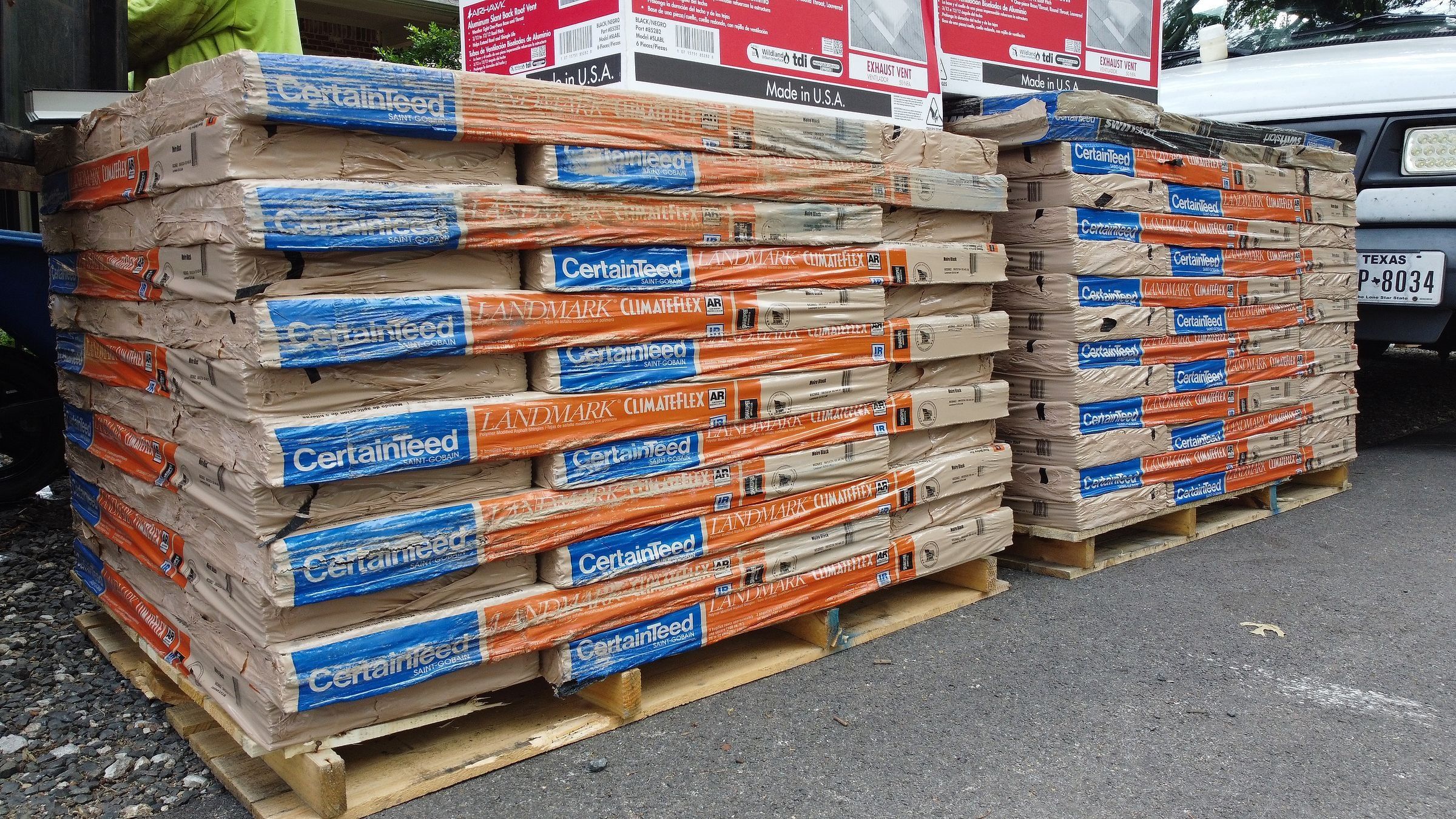
| CertainTeed shingles | Homeowners comparing shingle lines | CertainTeed product lines and their published impact ratings |
| F-Wave synthetic shingles | Owners who want a slate or shake look without asphalt | F-Wave REVIA profiles, published hail and wind ratings, installation |
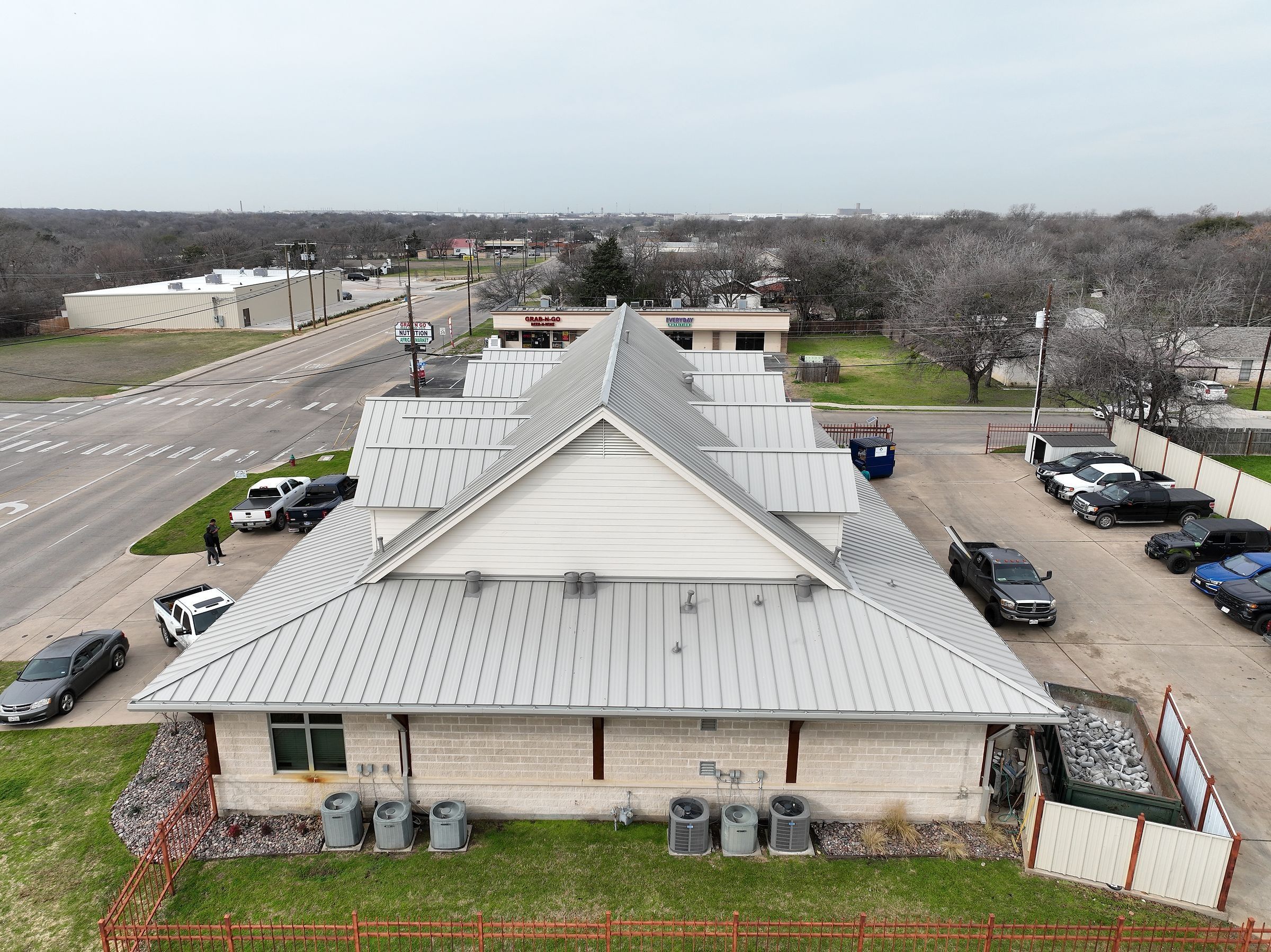
| Metal roofing | Owners weighing long service life and heat reflection | Standing seam, stone-coated steel and shingles compared on looks, hail, heat and insurance |
| Standing seam metal | Modern looks, lower slopes, long-term owners | Seam types, thermal movement, gauge and finish, trim and flashing |
| Stone-coated steel | A shake or tile look in light steel | Published hail ratings, installation, comparison with standing seam and tile |
| Tile roofing | Homes framed for clay or concrete tile | Clay vs concrete, framing, leaks, repair or re-lay, Arlington code |
| Ludowici clay tile | Owners of Ludowici and other clay tile roofs | Repair vs replacement, matching tile, hail ratings by profile |
| Commercial TPO roofing | Flat and low-slope commercial roofs | TPO membranes for low-slope buildings; other systems are on our commercial roofing page |
Our certifications and warranty
We are CertainTeed certified, which covers the shingle lines most DFW homeowners ask about. Flat and low-slope commercial roofs, including TPO, are covered on our TPO roofing page. We install every system on this page, from shingles and metal to tile, Ludowici and F-Wave.
Our workmanship warranty is 5 years on steep-slope roofs (shingle, metal, tile, standing seam, stone-coated steel and F-Wave). On low-slope roofs such as TPO, PVC, EPDM and modified bitumen, and on silicone and acrylic coating jobs, our workmanship warranty is 2 years.
If you’re comparing materials on price, our roof replacement cost guide explains what drives the price of a roof. To see what fits your roof, book a free inspection or call (817) 754-9484.