
General education, not legal or insurance advice.
What the adjuster does on a roof inspection
The adjuster’s job is to confirm what caused the damage, decide what is damaged, and price the repair for the insurer. On a hail or wind claim that means walking the roof where it is safe, checking soft metals and the interior, taking photos and measurements, and turning them into an estimate.
A typical roof inspection covers:
- The roof surface. Hail hits on shingles, often counted inside marked test areas on each slope, plus creased, lifted or missing shingles from wind.
- Soft metals. Vents, flashing, gutters and downspouts. Dents here help confirm hail size and direction.
- Collateral damage. Window screens, siding, fences and AC fins, which can belong on the same claim.
- The interior. Ceiling stains, wet insulation and anything damaged by water.
- Measurements. Roof area, pitch, ridge and valley lengths, used to price the estimate.
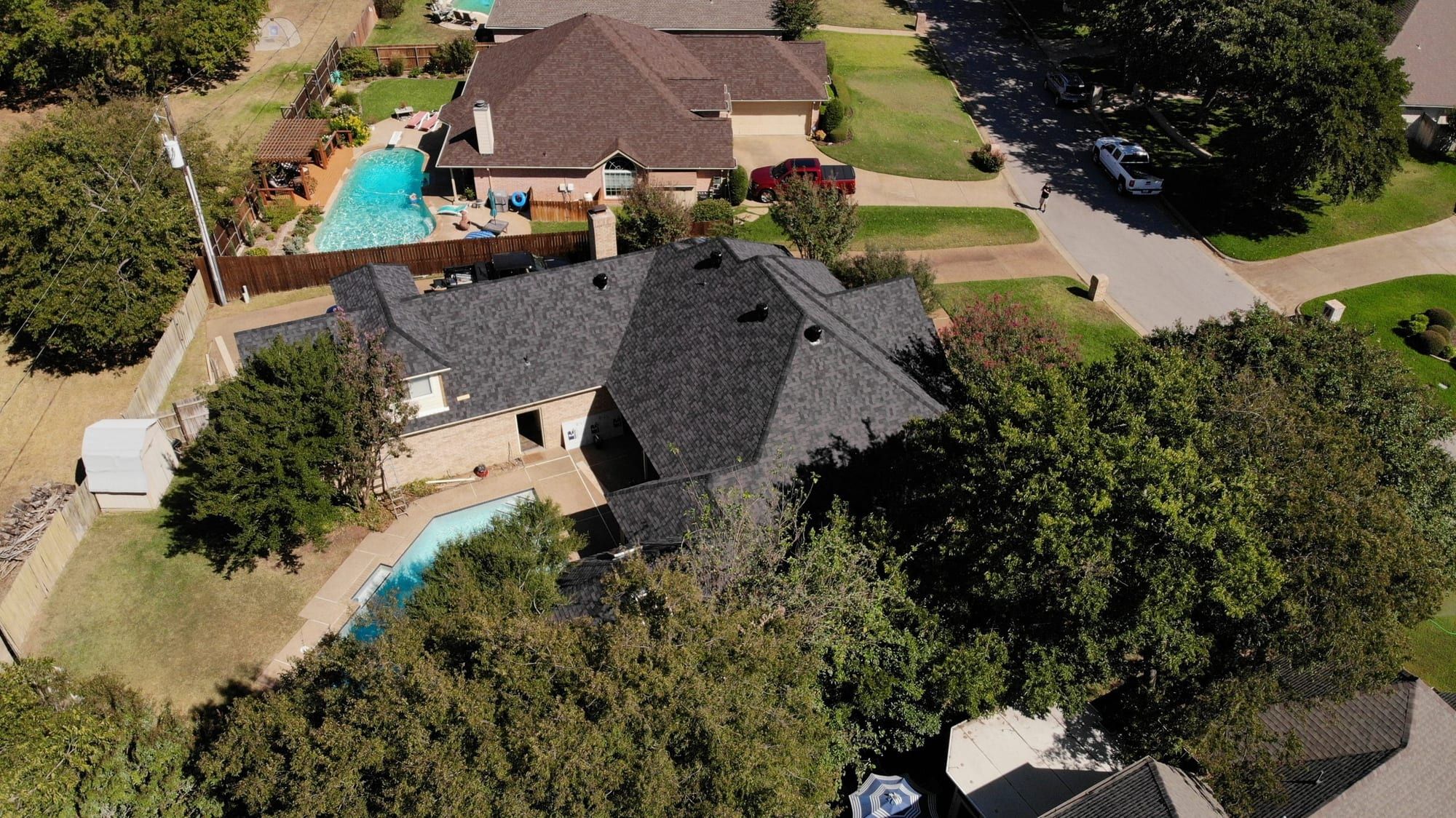
On steep or tall roofs, some adjusters use a harness, a ladder-mounted camera or a drone instead of walking every slope. After the visit, the insurer reviews the adjuster’s findings and sends its decision and estimate in writing.
Should your roofer meet the adjuster?
Yes, if your roofer has already inspected and documented the damage. Having the same person who found the damage on the roof during the adjuster’s visit means each hit, crease and dented vent gets shown and recorded, and measurement differences get sorted out on the spot rather than by letter weeks later.
We attend adjuster inspections for the roofs we have inspected. Here is the line we stay on:
| What a roofer can do at the meeting | What a roofer cannot do |
|---|---|
| Show the damage we documented, slope by slope | Negotiate your settlement |
| Explain our measurements and roofing details | Argue coverage or speak for you to the insurer |
| Point out soft-metal and collateral damage | Act as your public adjuster |
| Answer the adjuster’s questions about the roof system | Promise what the insurer will pay |
That line is Texas law. Insurance Code §4102.163 says a contractor may not act as a public adjuster or advertise to adjust claims for a property it works on or may work on, and the Texas Department of Insurance spells out examples on its Know the law page.
What to have ready before the visit
Preparation shortens the visit and makes it harder for damage to be missed. Gather your paperwork in one place, clear a path to the attic and the gutters, and make sure the adjuster can safely reach the roof. Then plan to be home for the whole inspection, not just the start.
- Your claim number and the date of loss.
- Your own dated photos and video from right after the storm.
- Your roofer’s inspection report, photos and measurements.
- Receipts for tarps or other temporary repairs.
- A short written list of every damaged area, inside and out.
- Damaged items you have kept. TDI says not to throw them away until your insurer gives permission (TDI, Hail damage tips).
- Access: gates unlocked, pets inside, the attic hatch clear.
During and after the inspection
Walk the property with the adjuster, point out everything on your list, and take your own notes. Before the adjuster leaves, get a name, phone number and email, and ask when to expect the estimate. When it arrives, compare it line by line with your roofer’s scope.
Questions worth asking on the day:
- Did you see every slope, and the interior damage?
- Are you recording the soft-metal and collateral damage on this claim?
- When will I receive the written estimate, and from whom?
- What else do you need from me?
The Texas Department of Insurance’s guide to getting your claim paid recommends keeping notes on every call and responding quickly to requests. When the estimate arrives, show it to your contractor, and take any differences or additional damage back to your insurer. We compare the insurer’s estimate with our scope and show you, item by item, where they differ.
If the adjuster misses damage
Put it in writing. Send the insurer the specific items that were missed, with photos and your roofer’s documentation, and ask for the estimate to be reviewed or for a second inspection. Missed items happen, especially after a large storm when adjusters are working through many claims, and specific evidence is what gets them looked at again.
If review does not fix it, you have other options under Texas law, including appraisal for disputes about the amount, a complaint to the Texas Department of Insurance, and professional help. Our denied roof claim page explains each one, and the claim process page covers the deadlines your insurer must meet.
Need the roof documented before the adjuster arrives? Book a free inspection or call (817) 754-9484.
Sources
- Texas Department of Insurance, Hail damage to your home or car? What to do next
- Texas Department of Insurance, Steps to getting your home or car insurance claim paid
- Texas Department of Insurance, Roofing and insurance: Know the law
- Texas Department of Insurance, Help after a storm
- Texas Insurance Code, Chapter 4102 (Section 4102.163)
- Texas Insurance Code, Chapter 542 (Section 542.056)